What Missed Opportunity Actually Costs
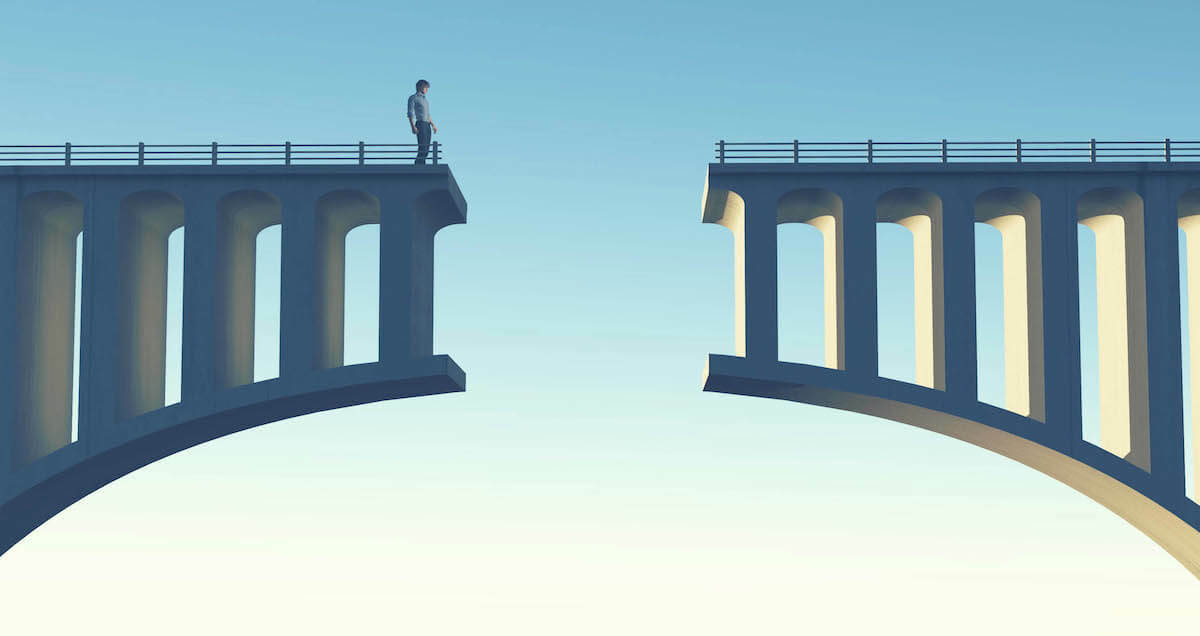
The cost of a blocked path is not just borne by the person it blocks. The world pays too — in the things that never get built, the problems that stay unsolved, the potential that never compounds.

Collection
On how opportunity shapes lives, societies, and the arc of human progress.
9 pieces
The cost of a blocked path is not just borne by the person it blocks. The world pays too — in the things that never get built, the problems that stay unsolved, the potential that never compounds.
When you are the first person from your background to reach a certain room, you carry something that wasn't handed to you. What you do with it is a choice — and it matters more than most people acknowledge.
Most opportunity doesn't fail because it doesn't exist. It fails because the people who need it most don't know it's there. Information is the invisible infrastructure of opportunity.
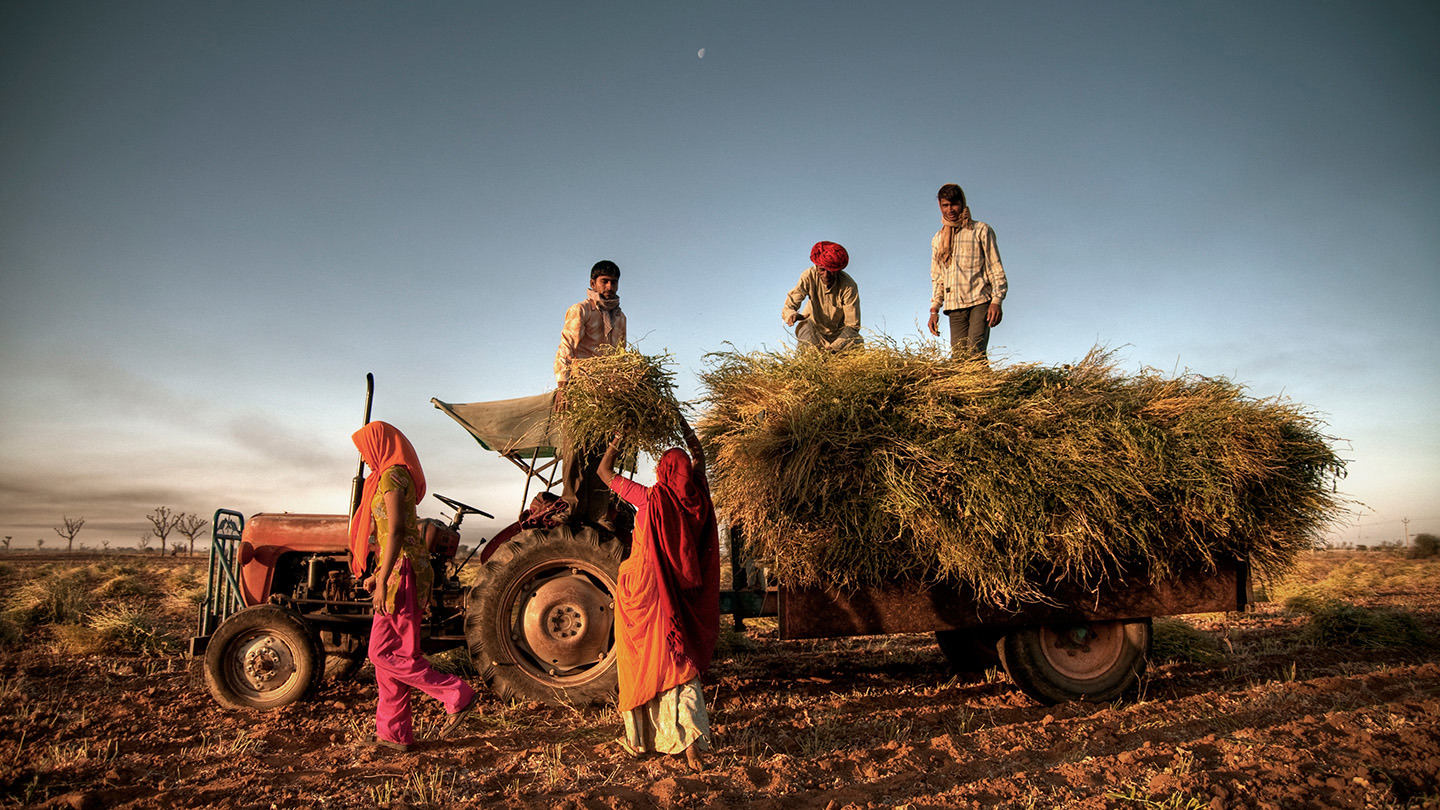
Where you are born is still the single most powerful predictor of what becomes available to you. Not because of difference — because of distribution.
The network you were born into is not something you built. It's something you inherited. For first-generation professionals, understanding this distinction changes everything about how you navigate the world.
The mechanism is simple. The implications are profound. And almost every system we have built gets it backwards.
The most important asymmetry of our time — and what it means for how we build systems, institutions, and companies.
The mission behind this work — and why opportunity, not talent, is the binding constraint on human potential.
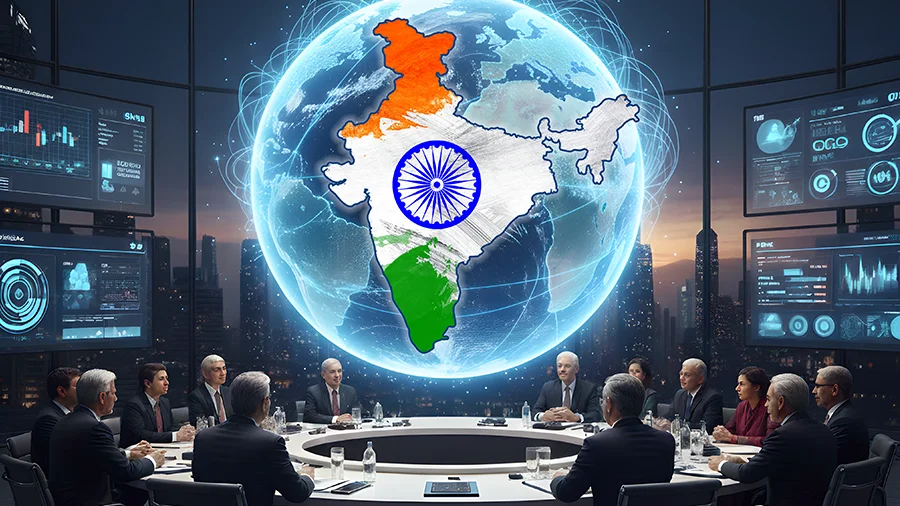
Growth that people cannot participate in is not development. India is learning this distinction in real time.