Active Waiting
Most people think waiting is passive. The best version of it is the opposite, you are preparing, building, becoming the person who can hold what you're waiting for.
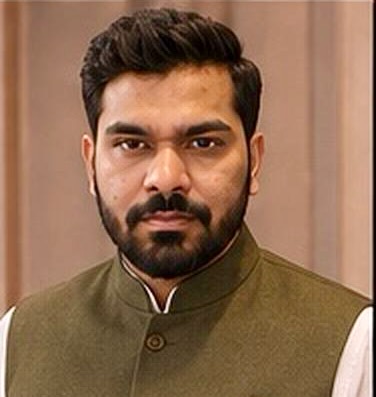
Founder, Majhi Group & Majhi OS

In 2016, I finished a search and had no immediate follow-on work. No prospects closing. The natural move was to accelerate, more outreach, more calls, more visible activity. I did some of that. But I also spent three months reading more than I had in years, thinking harder about how searches fail, and building a framework for how I would pitch the next mandate differently. The follow-on work came. It came better than what had come before.
There is a kind of waiting that destroys people. It is the waiting where nothing happens inside you while time passes outside you. You are holding on, hoping, watching the door, but you are not changing. You are not becoming anything. You are just waiting.
That is passive waiting. It is hope without effort, and it rarely leads anywhere worth going.
The other kind of waiting, the kind that matters, I have come to call active waiting. The name sounds like a contradiction. It describes something real, and I have watched it make the difference between people who eventually get what they are building toward and people who don't.
What active waiting actually means
Active waiting means the pause between where you are and where you are going is not wasted. You are using the time to prepare. You are learning what you need to know. You are building the capacity, financial, mental, relational, technical, to hold whatever it is you are waiting for.
The goal shifts from "when does this happen?" to "am I becoming the person who can handle it when it does?"
This shift matters more than it sounds. Most of what we are waiting for in life requires more than the thing arriving. The right client requires a business that can serve them properly. The right partner requires a version of yourself who is actually ready for that. The right opportunity requires preparation that turns it into something, rather than letting it pass through your hands because you were not ready.
Passive waiting assumes arrival is enough. Active waiting understands that readiness is the work.
What it looks like in practice
When I was in the early years of building Majhi Group, there were long stretches where the right mandates were not coming, or where I could see the direction things needed to go but the market had not moved there yet. Waiting felt like falling behind.
The thing that changed the character of that period, in retrospect, was what I did with the time. Not waiting for the phone to ring. Studying the firms that were ahead, understanding why retained search worked differently from contingency, developing a point of view about what executive hiring actually required. Building the infrastructure of thinking that the business would eventually need.
I did not know at the time that I was doing something systematic. I only knew that sitting still while waiting was intolerable, and that learning felt like forward motion even when the external indicators were not moving.
That instinct was right. When the mandates came, there was a foundation to deliver against. The waiting period had not been lost, it had been used.
The test it reveals
There is a useful test embedded in this idea.
If you cannot actively wait long enough for what you want, if the waiting period is so empty or uncomfortable that you give up before the thing arrives, it may mean one of two things.
First: the thing is not actually worth it to you. Genuine priorities sustain effort even through long unproductive stretches. The things we really want tend to pull us forward even when the environment is not cooperating.
Second: you have not found the active version of your waiting. If waiting is unbearable, it is often because it is passive, because there is nothing to do inside the waiting except endure it. Finding what to build, learn, or prepare during that period transforms the texture of the experience entirely.
The inability to wait is often a diagnostic, not a verdict. It tells you something about either the priority or the method, not necessarily about the outcome.
Patience with purpose
There is a version of patience that is essentially resignation dressed up in a more dignified word. That is not what I am describing.
Active waiting is patience with a direction. You know what you are preparing for. You are moving toward readiness even when external conditions are not cooperating. The patience is real, you are not forcing things before they are ready, but it is not passive.
Long-term thinking requires this. Most of what compounds, in businesses, in people, in relationships, compounds slowly and invisibly before it compounds visibly. The people who build something durable tend to be the ones who used the invisible periods well.
The time between where you are and where you are going is not dead time. It is some of the most important time you have, because it is when you are becoming the person the next chapter requires.
The time between where you are and where you are going is not dead time. It is when you are becoming the person the next chapter requires.
Use it.
See also: How I Think About Learning, Luck vs. Preparation: What Actually Determines Outcomes, Midnight Calls and Invisible Sacrifices, Healthspan vs Lifespan
Sources
Angela Duckworth: Grit: The Power of Passion and Perseverance
Frequently Asked Questions
What distinguishes active waiting from passive waiting?
Active waiting has a direction, you know what you are preparing for and are moving toward readiness even when external conditions are not cooperating. Passive waiting is enduring until circumstances change. The difference is not just psychological; it is practical. Active waiting produces something during the interval. Passive waiting produces nothing except elapsed time.
What does the inability to wait actually diagnose?
One of two things: either the thing is not genuinely that important to you (real priorities sustain effort through long unproductive stretches), or you haven't found the active version of your waiting yet. If the waiting is unbearable, it is often because it is passive, there is nothing to build or learn inside it. That is a diagnostic, not a verdict about the outcome.
How does active waiting relate to long-term compounding?
Most of what compounds, in businesses, in people, in relationships, compounds slowly and invisibly before it becomes visible. The people who build durable things tend to be the ones who used the invisible periods well. The time between where you are and where you are going is not dead time. It is when you are becoming the person the next chapter requires.
Did this land? Push back? Add something I missed?
Reply to Manas →Continue Reading
Related writing
 Philosophy
What Was I Wrong About?
The question is more useful than it is comfortable. Which is probably why most people avoid it.
 Philosophy
How I Think About Learning
Learning is not a passive accumulation of information. It is an active process of updating models, and the models you hold determine which new information you can absorb and which you can't. Understanding this changes how you learn.
 Philosophy
What Am I Learning?
The most important learning does not announce itself. It accumulates in the gaps between what you expected and what you found.