 Kalahandi
Entrepreneurship in Kalahandi
The structural case for building in Kalahandi, and what has to change for that case to become obvious to people who haven't looked.
KalahandiOdishaIndia
22 results for "Entrepreneurship"
KalahandiThe structural case for building in Kalahandi, and what has to change for that case to become obvious to people who haven't looked.
 Entrepreneurship
The hardest transition in a service business is not from zero to one client. It's from delivering to ten clients by running harder, to delivering to fifty clients because you've built something that scales. One is hustle. The other is architecture. Most founders figure this out only after the hustle stops working.
 Entrepreneurship
Most founders treat cold outreach as a necessary evil, something to survive until referrals take over. I think that's exactly backwards. Cold outreach is a discipline that, done well, compounds faster than almost anything else a founder can build.
 Entrepreneurship
Everyone told me to move to Bangalore. I didn't. What I learned from building in Odisha is that the cost of not being in a hub is mostly overstated, and the benefits are almost never talked about.
 Entrepreneurship
Most founders answer 'what are you building?' with a product description. The deeper question, what kind of institution are you building, gets deferred until it's too late to design the answer deliberately.
 Entrepreneurship
The mission of an institution is shaped by the problem it came from. Kalahandi taught me something specific about gaps between what exists and what's possible, and building has been my answer to that ever since.
 Entrepreneurship
The founders who last are not the ones who had certainty. They are the ones who learned to make good decisions without it.
 Odisha
Three ages. Three resources. One coast, one mountain range, one generation. Odisha has had what the world needed every time the world changed what it needed. The first two ages were defined by what the land contained. The third will be defined by what the people decide.
 Odisha
When I was starting my first venture I was running it through VSAT because nothing else reached Junagarh. JioFiber is there now. That compression tells you most of what you need to know about what changed, and what hasn't.
 Frameworks
First-generation founders carry specific advantages that consensus startup culture doesn't recognise, along with specific blind spots that it doesn't warn them about. This framework maps both.
 Odisha
Odisha's startup ecosystem is early-stage, and comparing it to Bangalore misses the point. What's worth watching is not whether it catches up to established hubs, it's whether it develops the founding conditions that produce companies the major hubs wouldn't produce.
 Odisha
The geography of where you start is more arbitrary than you think. And less limiting than people told me it would be.
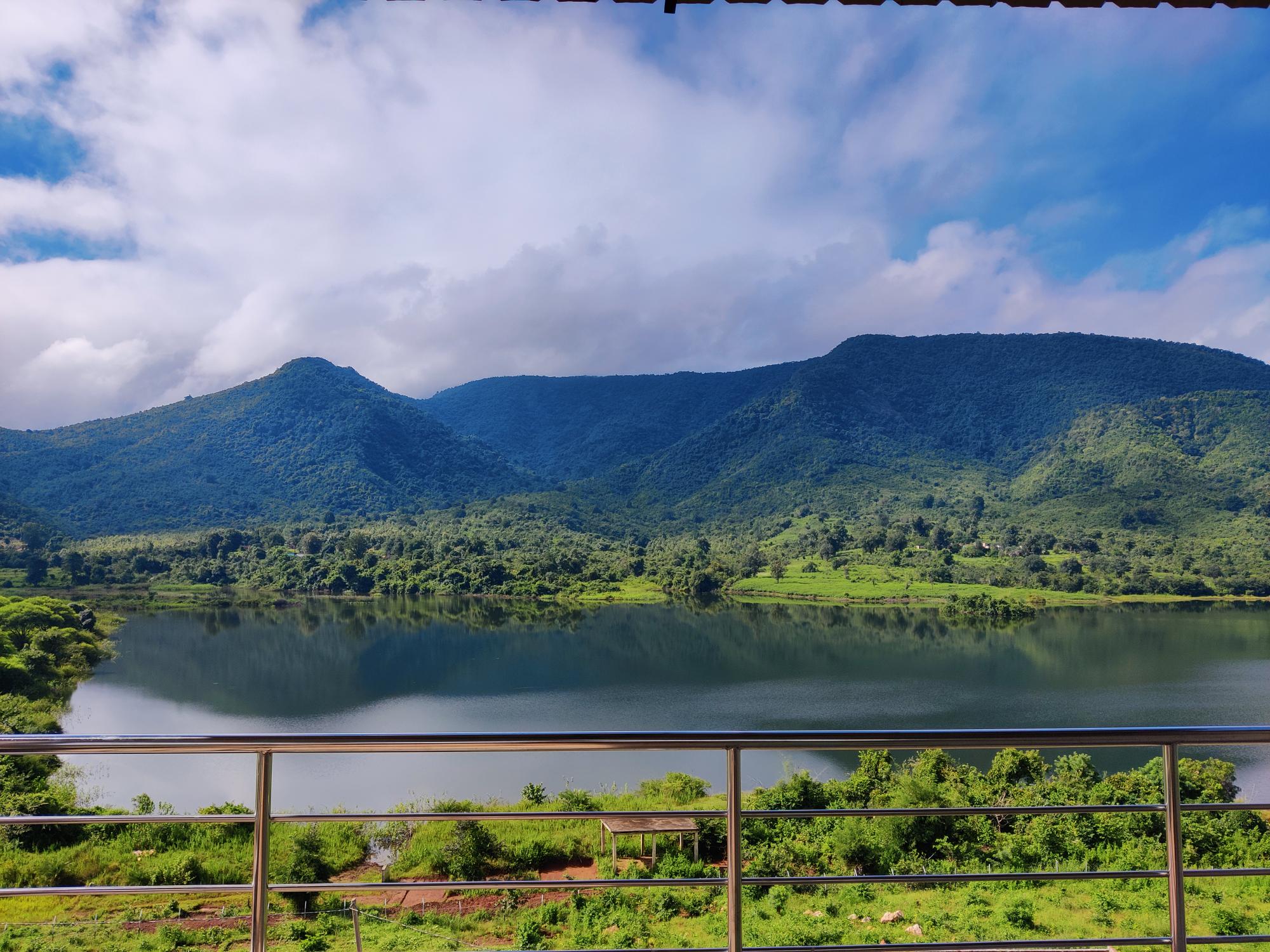 Kalahandi
Kalahandi was once synonymous with famine and underdevelopment. Growing up in Junagarh, at its center, taught me what potential looks like before it is realized.
 Philosophy
Failure teaches things that success cannot. The question is whether you are paying enough attention to extract what it is offering.
 Philosophy
The version of work that the world sees is never the whole version. What stays invisible is usually the part that costs the most.
 Entrepreneurship
Every organisation has a stated culture and a real culture. The gap between them is not a communication problem. It is an incentive design problem. What you reward is what you get, regardless of what you say you value.
 Entrepreneurship
The cultures of founder-led companies feel coherent while the founder is present. Most of them don't survive the founder's departure, or even the founder's distraction. The culture wasn't built. It was performed.
 Entrepreneurship
The hardest design problem is not making something work. It is making something work after the people who built it are no longer there to interpret it. That is a different problem, and almost nobody is taught how to solve it.
 Entrepreneurship
Most organisations have responsibility without accountability. The two sound the same and produce completely different behaviour. One is assigned. The other is real.
 Entrepreneurship
Every founder reaches the same wall: the organisation can only move as fast as they can personally decide. The answer is not to work harder. It is to design a decision system that doesn't require you at every node.
 Entrepreneurship
The average S&P 500 company lifespan has fallen from 61 years in 1958 to under 18 years today. Most companies are built to grow. Very few are designed to last. The difference is not strategy; it's architecture.
 Entrepreneurship
Organisational learning is harder by an order of magnitude, because organisations don't learn the way people do. They need infrastructure to learn at all. Most never build it.